
Research
The basis for our research is the use of state-of-the-art analytical mass spectrometric methods to determine quality and quality changes of plant-based food along the supply chain from farmers to consumers.
food4future - Nahrung der Zukunft, Teilprojekt D
Funded by - Federal Ministry of Research, Technology and Space
FKZ - 031B1525D
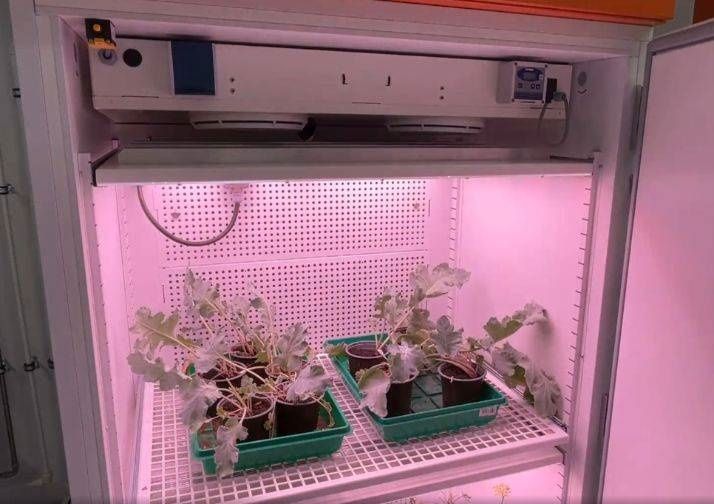
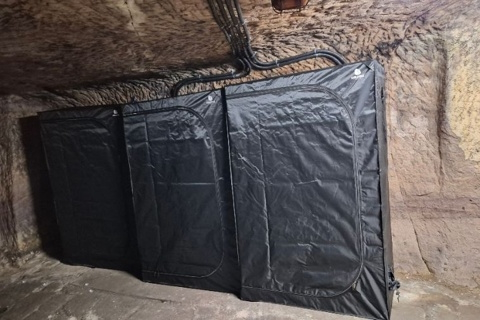
f4f-2 integrates a range of key technologies to develop innovative production systems for urban indoor environments. Within the research field “Halophytes: Sustainable Urban Vegetable Production for the Future”, our group focuses on cultivating edible halophytes in controlled urban settings, including commercial spaces and repurposed environments such as beer cellars. We investigate salt-tolerant crop species, including glasswort, sea fennel, and sea kale, assessing their growth performance, productivity, product quality, and overall suitability for controlled-environment agriculture. By combining advanced cultivation technologies with resource-efficient production strategies like tailored LED lighting systems, we aim to establish resilient, sustainable, and economically viable indoor cultivation systems for saline crops.
In parallel, we investigate the nutritional composition, functional properties, and sensory characteristics of halophytes to better understand their potential as future food crops. We also develop and optimize post-harvest processing technologies, including fermentation-based processes and targeted metabolic extraction approaches, to enhance crop value and create novel food ingredients and products. Through this integrated research approach, we contribute to the development of sustainable urban food systems that unite resource-efficient production, innovative processing technologies, and the provision of high-value, nutritious foods for the future.
Read more https://food4future.de/de/teilprojekte/salzpflanzen
FABALOUS – Faba bean biotic and abiotic stress tolerance for improved yield stability (2025-2028)
Funded by - Federal Ministry of Research, Technology and Space (BMFTR)
FKZ: 031B1549E
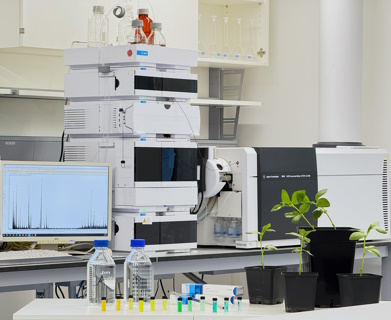
Faba bean is a legume producing seeds, characterised by its high content of high-quality protein, its importance for pollinators and its ability to fix nitrogen biologically. However, it is highly susceptible to drought and heat stress, resulting in reduced yield stability and yield losses, especially in the context of current climate change. FABALOUS aims to create drought- and heat-stress-resilient faba bean varieties and thus improve the yield stability under combined environmental stresses. The University of Bayreuth’ s part of the project is divided into the Chair of Crop Plant Genetics (Prof. Dr. A. C. (Corina) Vlot-Schuster) and the Chair of Food Metabolome (Prof. Dr. Susanne Baldermann). Our part involves the detection of dynamic metabolic changes to evaluate responses to multiple stresses in respect of metabolic signatures, by targeted and non-targeted mass spectrometric-based analytical approaches.
SolKubiM - Solebasierte Kultivierungssysteme für binnenländische Makro- und Mikroalgen (brine-based systems for inland macro and microalgae cultivation)
Funded by - The BLE. Federal Office for Agriculture and Food
FKZ: 281E122D23
The project aims to establish an innovative, brine-operated aquaculture facility for the land-based production of high-quality algae biomass at the thermal spa site in Bad Saarow, Germany. By integrating algae cultivation systems into the brine cycle, using naturally occurring and thermally treated deep brine, the project introduces a novel, energy-efficient, and sustainable approach to industrial algae production inland, enabling the development of diverse downstream applications (e.g. cosmetics, food, feed) with potential economic benefits for rural areas.
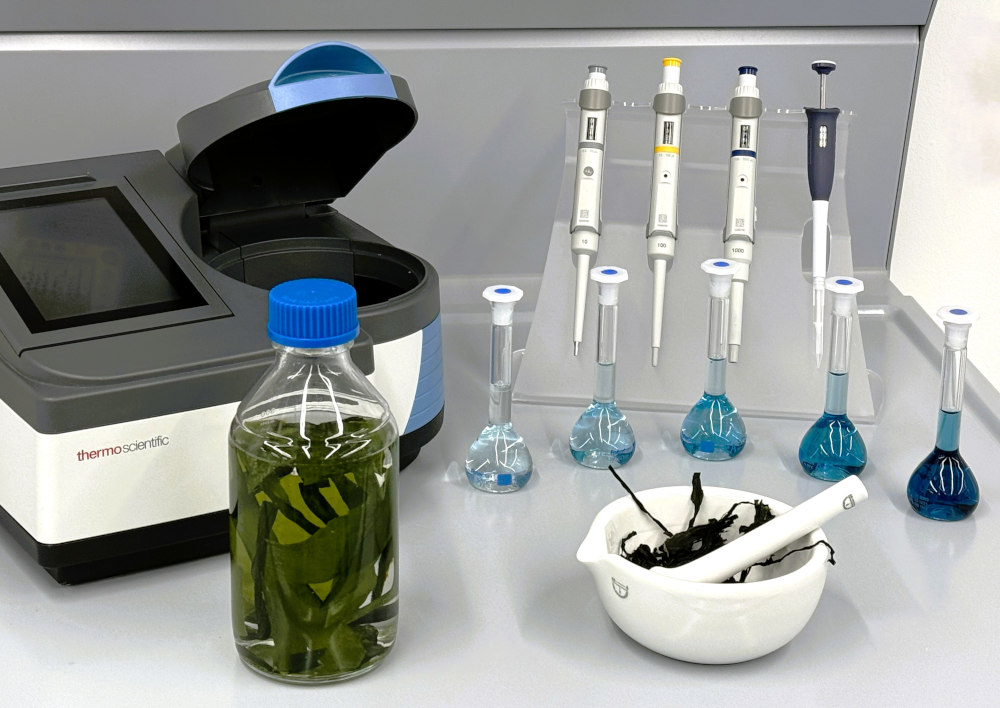
Within this project, we contribute as an analytical facility specializing in GC-MS and LC-MS techniques. Our role is to conduct comprehensive metabolic profiling of the produced algae, with particular focus on sulfated sugars, volatile organic compounds and antioxidants, in order to assess their quality and functional potential.
Project partners and detailed descriptions can be found here.
Past Projects
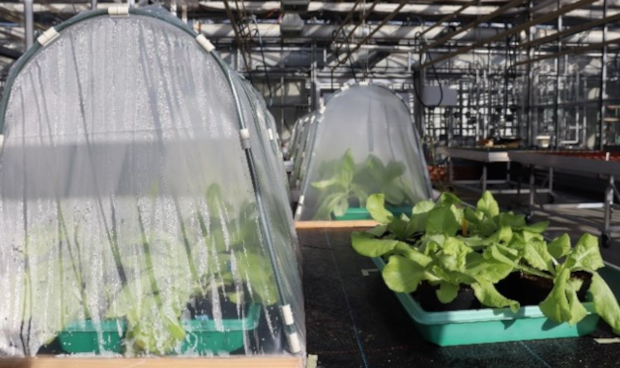
PermAFog (2019 – 2024)- Development of novel and sustainable permanent antifog additive masterbatches for polyolefin foils in greenhouse applications
Within the project we investigate the effects of the use of conventional antifogging and the newly developed films on crops cultivated below. The focus is on understanding changes in nutritionally valuable compounds such as carotenoids and phenolic compounds.
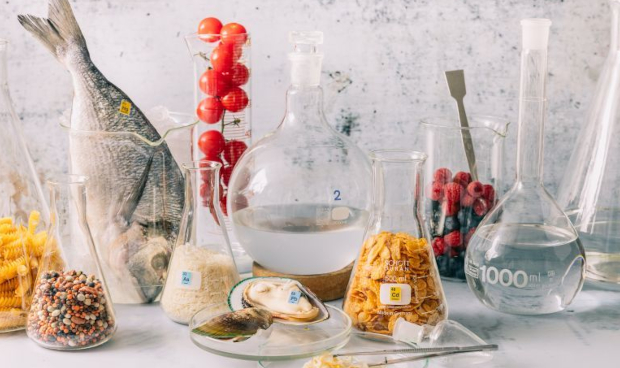
Protein quantity and quality in (new) foods (since 2023)
The aim of the interdisciplinary project, funded by the Manfred Roth Stiftung, is to compare proteins from conventional and alternative protein-containing foods. Together with Prof. Janin Henkel-Oberländer (Chair of Nutritional Biochemistry) we will determine protein quantity and quality. Jun.-Prof. Tina Bartelmeß (Nutritional Sociology) will examine facets of consumer acceptance and consumption. Furthermore, legal aspects in the context of novel foods will be studied by Prof. Kai Purnhagen (Chair of Food Law). Prof. Christian Fikar (Chair of Food Supply Chain Management) conducts analysis related to quality management and the circular economy. At the end of the project we hope to have identified and characterized alternative high quality protein sources and to contribute with our project to the transformation of food systems.Within this project, we contribute as an analytical facility specializing in GC-MS and LC-MS techniques. Our role is to conduct comprehensive metabolic profiling of the produced algae, with particular focus on sulfated sugars, volatile organic compounds and antioxidants, in order to assess their quality and functional potential.
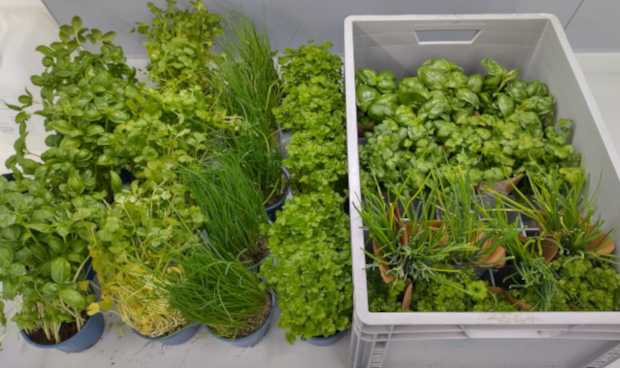
Fresh and aromatic – Does vertical farming keep its promise? (since 2022)
Together with Prof. Laura König (Public Health Nutrition, University of Bayreuth, now: Health Psychology, University of Vienna), we received funding from the Simon-Nüssel-Stiftung to test the correspondence between consumer perception and chemical components of conventially grown herbs and herbs grown in vertical farming.
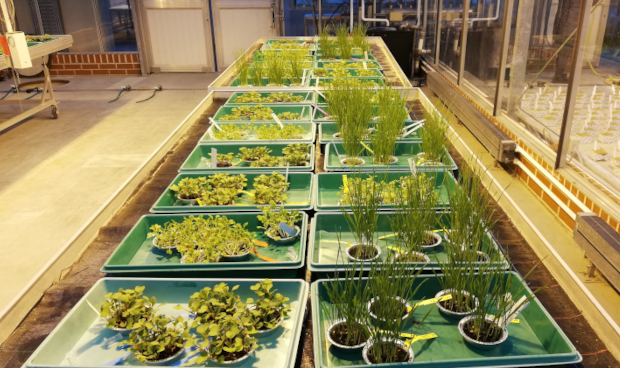
EMINA (2020 – 2022) – Qualitative and quantitative detection of nanoplastics in plants and their influence on quality
In the EMINA project, the uptake, distribution, accumulation and also the effect of micro- and nanoplastics in plants metabolomics was investigated. ...read more
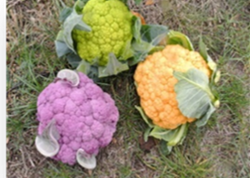
CarCauli (2018 – 2022) – Identification and regulation of carotenoid metabolism in colored cauliflower (Brassica oleracea L. ssp. botrytis) cultivars grown under different environmental conditions
The aim of the project was to investigate the carotenoid metabolism in differently pigmented cauliflower cultivars under changing climatic conditions. ...read more
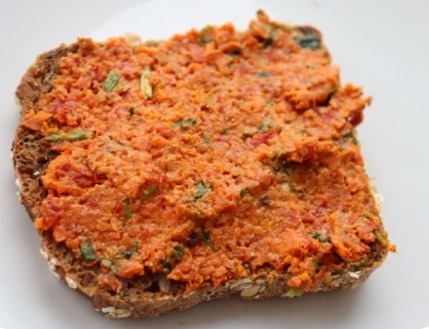
NutriAct (2018 – 2022) – Nutritional Intervention for Healthy Aging: Food Patterns, Behavior and Products
Within the NutriAct cluster in the scientific project E – New Products. Unprocessed vegetable and herbal (micro)plants with well-defined concentrations and composition of primary and secondary metabolites will be generated as newly designed and modified products for the particular needs and preferences of elderly consumer. ...read more